-
тел : +86-592-6382791
-
Эл. адрес : sales@pidmaxwell.com
тел : +86-592-6382791
Эл. адрес : sales@pidmaxwell.com


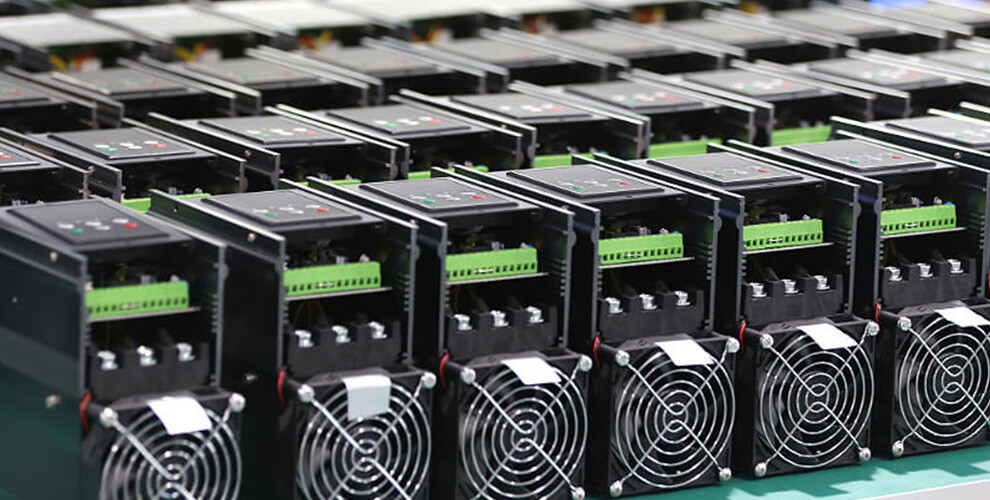
Многие клиенты, впервые сталкиваясь с управлением электрическим нагревом, интуитивно думают: нагрев — это просто включить питание, когда температура низкая, и выключить его, когда температура высокая. Такой подход «вкл.-выкл.» может работать для небольших бытовых приборов, но как только вы переходите к промышленным печам, электрическим печам, оборудованию для термоформования или производственным линиям термообработки, вы быстро обнаруживаете, что температура начинает сильно колебаться, словно американские горки, а качество продукции становится нестабильным.
На самом деле по-настоящему надежное и стабильное управление нагревом никогда не сводится просто к принципу «вкл.-выкл.». Это скорее похоже на «точный расчет» тепла: подавать больше, когда это необходимо, меньше, когда это необходимо, и поддерживать стабильный уровень, когда это требуется. Ключевым компонентом, который помогает достичь этого «точного расчета», является регулятор мощности.
Представьте, что вы кипятите воду на газовой плите: если вы можете только включить пламя на полную мощность или полностью его выключить, вода либо будет бурно кипеть, либо быстро остынет, и будет сложно поддерживать идеальное состояние «почти кипит, но еще не закипела». Тот же принцип применяется к промышленному нагреву. Традиционное управление вкл./выкл. с помощью контактора или твердотельного реле похоже на переключатель «высокий/низкий уровень», что приводит к большим колебаниям температуры и сокращению срока службы нагревательного элемента из-за частых воздействий.
Регулятор мощности, напротив, действует как бесступенчатый газовый клапан. Вместо резкого отключения он динамически регулирует выходную мощность нагрева в зависимости от фактической разницы температур. Когда разница температур большая, он работает на полной мощности; когда разница уменьшается, он постепенно снижает мощность; а после достижения постоянной температуры он лишь восполняет тепло, потерянное оборудованием. В результате получается плавная температурная кривая печи, равномерный нагрев продукции и устраняется необходимость повторной настройки параметров из-за превышения или недостаточного нагрева.
Типичная интеллектуальная система нагрева состоит из четырех этапов: измерение, оценка, выполнение и нагрев. Датчик температуры в реальном времени фиксирует фактическую температуру внутри печи; температурный контроллер сравнивает «фактическое значение» с «заданным значением» и выдает непрерывные управляющие сигналы (например, напряжение 0~10В или ток 4~20мА); регулятор мощности точно регулирует коэффициент подачи энергии через внутренние тиристоры на основе силы сигнала, тем самым изменяя среднюю мощность, получаемую нагревательным элементом, и в конечном итоге восполняя тепло в рабочей зоне. Этот цикл выполняется с высокой скоростью каждую секунду. На панели прибора вы видите только стабильное значение температуры в заданной точке, но за кулисами регулятор мощности выполняет сотни или даже тысячи небольших корректировок мощности.
Преимущества, которые вы можете непосредственно ощутить, как минимум трехкратны: во-первых, стабильная температура повышает выход годной продукции — устранение больших колебаний обеспечивает лучшую однородность при сушке, отверждении, отжиге или плавлении, что естественным образом снижает процент брака; во-вторых, экономия энергии — на этапе поддержания постоянной температуры требуется только восполнение потерянного тепла, что позволяет значительно сократить расход электроэнергии по сравнению с управлением вкл./выкл.; в-третьих, увеличение срока службы оборудования — плавная подача мощности снижает нагрузку на нагревательные элементы и электросеть, контакторы больше не срабатывают часто, а количество потенциальных точек отказа значительно уменьшается.
Что касается методов регулирования, в настоящее время существует два основных типа. Вам не нужно углубляться в технические детали, достаточно знать области применения: для большинства резистивных нагревателей (например, электрических нагревательных элементов и кварцевых трубок) чаще используется регулирование мощности при переходе через ноль, которое создает меньше гармонических помех для электросети и обеспечивает более стабильное управление; тогда как для специальных нагрузок, требующих чрезвычайно точной регулировки (например, некоторых инфракрасных ламп), фазовое регулирование позволяет добиться почти бесступенчатого изменения мощности и более быстрого отклика. Выбор типа в основном зависит от требований вашего оборудования к скорости реакции температуры и условий электросети на месте эксплуатации. Профессиональный поставщик предложит подходящее решение, а не просто вариант, который «может нагревать систему».
Согласно нашему опыту обслуживания многочисленных клиентов, наиболее часто упускаемые из виду, но наиболее важные детали при установке и эксплуатации включают следующее: тип сигнала (напряжение или ток), выдаваемого температурным контроллером, должен соответствовать входному порту регулятора мощности; в противном случае они не смогут работать вместе. Рекомендуется оставлять запас 20%~30% по номинальному току регулятора мощности, чтобы избежать длительной работы нагрева при полной нагрузке. Тиристоры выделяют тепло во время работы; убедитесь, что радиатор надежно установлен и имеет хорошую вентиляцию, а при необходимости установите вентилятор. Особенно для трехфазных систем нельзя неправильно подключать порядок фаз, нулевой провод и заземляющий провод; иначе оборудование может работать некорректно или даже выйти из строя. Если вы только начинаете работать с таким оборудованием, не беспокойтесь — следуя инструкции по эксплуатации шаг за шагом или получая удаленную поддержку от технических специалистов производителя, большинство проблем можно предотвратить заранее.
В конечном итоге, покупая регулятор мощности, вы приобретаете не переключатель, а гарантию стабильности температуры. Когда вы увидите температурную кривую, почти совпадающую с прямой линией, значительное снижение уровня дефектов продукции и положительные изменения в счетах за электроэнергию, вы поймете: действительно качественное управление температурой заключается не в том, чтобы заставить нагреватель «работать», а в том, чтобы заставить его «работать умно». Мы (PIDMaxWell) стремимся помогать клиентам внедрять эту «интеллектуальность» в каждое оборудование. Мы не стремимся к эффектным концепциям; мы сосредоточены только на каждом колебании температуры, каждой корректировке при простое и каждой единице электроэнергии, потребляемой в вашем реальном производстве. Если вас беспокоит неточное управление температурой, начните с проверки вашего «исполнительного устройства» — регулятора мощности. Правильный выбор и грамотное использование могут сделать процесс нагрева намного проще.

адрес : NO.201 Binhuyili, HaiCang district, XiaMen,FuJian, China 361026
Max liao: +8618150368619(whatsapp)
Эл. адрес : sales@pidmaxwell.com
сканировать через вичат
Scan to Whatsapp