-
тел : +86-592-6382791
-
Эл. адрес : sales@pidmaxwell.com
тел : +86-592-6382791
Эл. адрес : sales@pidmaxwell.com


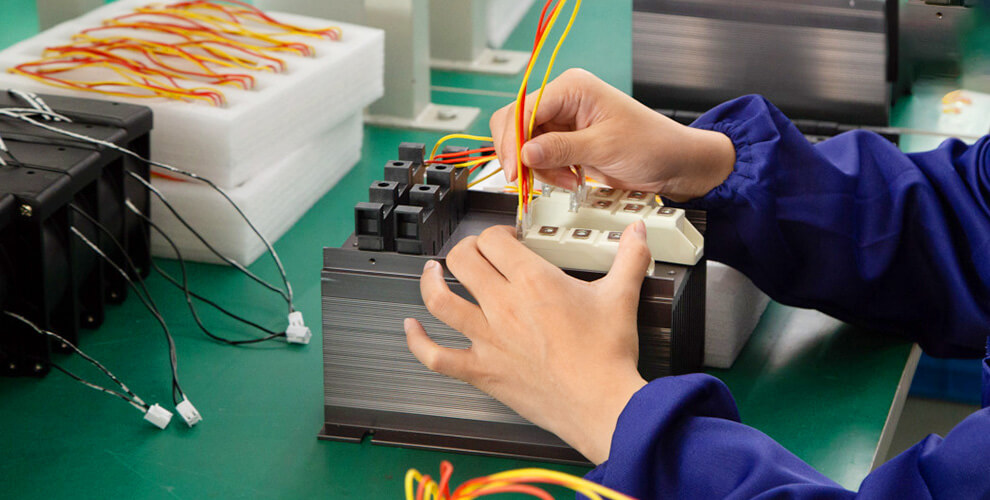
При выборе компонентов для промышленного нагревательного оборудования клиенты часто приносят нам образцы регуляторов мощности и спрашивают: «Может ли это устройство напрямую управлять температурой? Если я куплю его и подключу к нагревательному элементу, будет ли оно автоматически поддерживать постоянную температуру?»
Этот вопрос очень распространён. Многие клиенты при первом знакомстве с регулятором мощности обычно путают его функцию с функцией контроллера температуры. Сегодня мы разберём этот вопрос и проясним его на основе нескольких практических вопросов, которые больше всего волнуют клиентов.
Что именно я покупаю, когда покупаю регулятор мощности?
Регулятор мощности — это устройство регулирования мощности, а не устройство измерения температуры.
Его основным компонентом является SCR (кремниевый управляемый выпрямитель), который принимает внешний аналоговый сигнал (например, 4-20 мА или 0-10 В), а затем регулирует выходное напряжение или ток на нагревательный элемент в зависимости от силы сигнала.
Он не знает температуру и не определяет, достаточно ли высокая температура. Он выполняет только одну функцию: выдаёт больше мощности при сильном сигнале, меньше мощности при слабом сигнале и отключается при отсутствии сигнала.
Поэтому при выборе регулятора мощности клиенты должны прежде всего понимать: это исполнительное устройство, а не устройство принятия решений.
Так кто же на самом деле выполняет управление температурой?
Полное управление температурой требует совместной работы четырёх компонентов:
Датчик температуры измеряет фактическую температуру и преобразует её в электрический сигнал.
Контроллер температуры или PLC получает сигнал датчика, сравнивает его с заданной клиентом целевой температурой, вычисляет отклонение и выдаёт управляющий сигнал.
Регулятор мощности получает управляющий сигнал от контроллера температуры или PLC и усиливает его до уровня мощности, необходимого для управления нагревательным элементом.
Нагревательный элемент преобразует электрическую энергию в тепло, повышая температуру оборудования.
Эти четыре компонента незаменимы. Если клиент покупает только регулятор мощности, он приобретает лишь исполнительный компонент; компоненты измерения и принятия решений отсутствуют, поэтому самостоятельное управление температурой невозможно.
Можно ли использовать контроллер температуры напрямую для управления нагревательным элементом?
Некоторые клиенты спрашивают: поскольку контроллер температуры принимает решения, разве нельзя просто использовать его для управления нагревательным элементом и сэкономить на регуляторе мощности?
Ответ на этот вопрос: это зависит от ситуации.
Если нагревательный элемент имеет очень низкую мощность, всего несколько сотен ватт, и нагрузочная способность выходного контакта контроллера температуры достаточна, то прямое управление действительно возможно. Однако в большинстве промышленных случаев мощность нагревательных элементов составляет несколько киловатт или даже десятки киловатт. Выходная способность реле или твердотельных реле внутри контроллера температуры ограничена, и прямое управление большой нагрузкой приведёт к подгоранию контактов или повреждению выходного модуля.
Поэтому при настройке системы клиентам следует учитывать не только функциональность, но и соответствие мощности. Мощные нагревательные системы должны использовать регулятор мощности для усиления сигнала; это является основой безопасной работы системы.
Можно ли вручную регулировать температуру, используя только регулятор мощности?
Некоторые клиенты действительно делают так: подключают потенциометр к регулятору мощности, вручную регулируют выходную мощность, а затем наблюдают показания термометра для ручного вмешательства.
Этот метод иногда используется в лабораториях или мелкосерийном производстве. Однако клиенты должны понимать его ограничения:
При ручной регулировке мощность фиксирована, а температура будет изменяться вместе с изменениями температуры окружающей среды или поступлением и выходом материалов. Клиентам необходимо постоянно контролировать оборудование, непрерывно наблюдать за термометром и вручную регулировать потенциометр. Если темп производства немного увеличится, температуру легко потерять под контролем.
Поэтому этот метод подходит только для применений, где требования к точности температуры невысоки. Если клиентам требуется стабильное автоматическое управление температурой, всё равно необходим контроллер температуры или PLC.
Что чаще всего упускают из виду при выборе?
Основываясь на нашем опыте обслуживания клиентов, следующие три детали чаще всего становятся причиной проблем:
Проблемы соответствия сигналов. Регулятор мощности должен соответствовать выходному сигналу контроллера температуры. 4-20 мА и 0-10 В нельзя смешивать, а импульсные сигналы и аналоговые сигналы нельзя напрямую заменять друг другом. Клиенты должны убедиться, что типы сигналов обоих устройств совпадают при выборе.
Проблемы запаса по току. Номинальный ток регулятора мощности должен быть выше общего рабочего тока нагревательного элемента. Обычно рекомендуется оставлять запас от 20% до 30%; в противном случае регулятор мощности может перегреваться или даже выйти из строя при высоком напряжении сети или высокой температуре окружающей среды.
Проблемы размещения датчика. Датчики температуры нельзя устанавливать в любом произвольном месте. Если датчик находится слишком близко к нагревательному элементу, измеренная температура будет слишком высокой до достижения фактической температуры материала; если он находится слишком далеко от нагревательного элемента, реакция будет значительно замедлена, что приведёт к большим колебаниям температуры. При установке клиенты должны размещать датчики в местах, которые точно отражают температуру процесса, исходя из распределения теплового поля оборудования.
На что клиентам следует обратить внимание с точки зрения послепродажного обслуживания?
Регуляторы мощности являются силовыми устройствами, работающими в условиях высокого тока и высокой температуры. При длительной эксплуатации могут возникнуть такие проблемы, как пробой тиристора, отказ платы управления и повреждение охлаждающего вентилятора.
При покупке клиентам следует обратить внимание на следующие гарантии послепродажного обслуживания:
Предоставляет ли продукт чётко определённый гарантийный срок? Стандартом отрасли обычно является 12 месяцев, при этом некоторые бренды предлагают 18 месяцев или больше.
Имеет ли производитель возможности технической поддержки с быстрым реагированием? Может ли он своевременно помочь в устранении неисправностей, чтобы избежать длительных простоев производства?
Стабильны ли поставки запасных частей? Легко ли доступны часто используемые модели, чтобы снизить давление на клиентов по поддержанию складских запасов?
PIDMaxWell имеет чёткие обязательства по срокам гарантии на продукцию и технической поддержке. Клиенты могут ознакомиться с конкретными условиями на этапе выбора, чтобы принимать решения о покупке, соответствующие их производственному графику.
Как это следует понимать? Регулятор мощности является компонентом системы управления температурой; он отвечает за исполнение, а не за принятие решений.
При планировании системы управления температурой правильная взаимосвязь между компонентами выглядит следующим образом:
Контроллер температуры — это мозг, отвечающий за мышление и принятие решений.
Регулятор мощности — это мышцы, отвечающие за исполнение и выходной сигнал.
Нагревательный элемент — это инструмент, отвечающий за выработку тепла и выполнение работы.
Датчик — это глаз, отвечающий за наблюдение и обратную связь.
Только благодаря взаимодействию этих четырёх компонентов можно сформировать полный автоматический контур регулирования температуры. Уточнив соответствие между этими четырьмя частями при выборе системы, клиенты могут избежать приобретения, настройки или использования неправильных компонентов.

адрес : NO.201 Binhuyili, HaiCang district, XiaMen,FuJian, China 361026
Max liao: +8618150368619(whatsapp)
Эл. адрес : sales@pidmaxwell.com
сканировать через вичат

Scan to Whatsapp